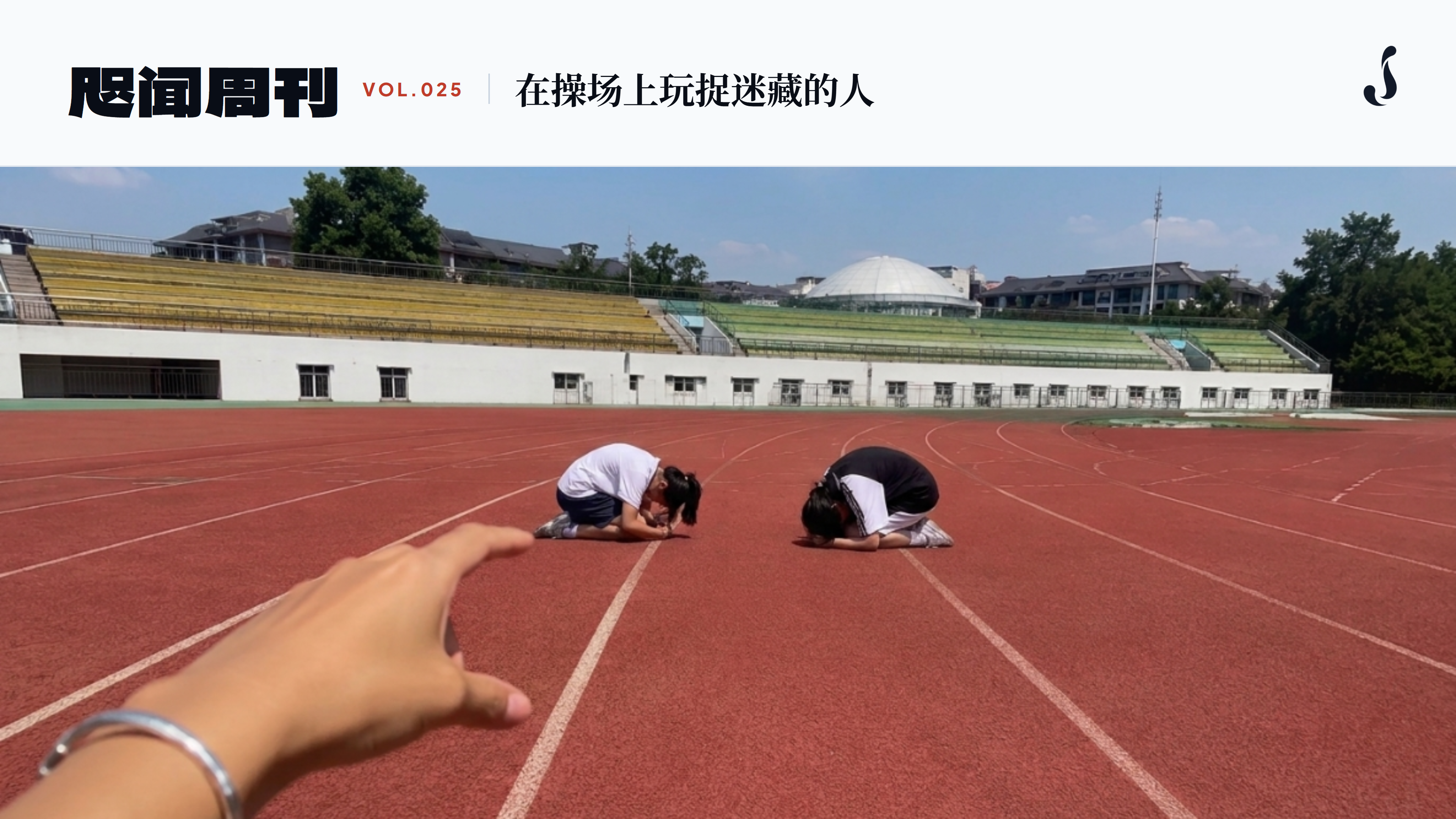
We wept together, crying that we were just children, unable to grasp anything.
—Raymond Radiguet, *The Devil in the Flesh*
🐎 The Paddock
🌸 Cherry Blossoms

Camellias age publicly, like an old person barely clinging to life and visibly decaying, holding on until the very end before dropping to the ground with a dull thud—not graceful in the least. That is why at Rokuō-in, camellias that show even the slightest sign of withering are pruned away, giving rise to such a distinctive camellia path and garden.
Cherry blossoms are entirely different. They bloom to their most magnificent peak and then immediately begin to fall, petal by petal, drifting away in the wind while preserving their vibrant color, forming the equally gorgeous spectacle of hanafubuki ("cherry blossom blizzard"). Naturally, the cherry blossom symbolizes a life that refuses to linger until age reveals its ugliness—departing this world at the prime of youth to leave behind an enduringly brilliant impression.
Cherry blossoms are born to fall at full bloom, but human life is not. To imitate the cherry blossom and achieve its aesthetic, one cannot rule out choosing to end one's own life in youth, using resolute willpower to reject aging and halt the decay of life. Cherry blossom aesthetics and philosophy therefore inevitably exerted a foundational impact on the Japanese cultural conception of death.
—Yang Zhao, *Days of Growing Tired of Being Human*
Along the shore, closely hugging the crashing waves, stood more than twenty tall mountain cherry trees with dark bark. At the start of the new school year, set against the backdrop of the blue sea, the wild cherries put forth hardy brown shoots, and their blossoms burst into glorious bloom. Soon came the season of falling petals; countless petals scattered into the sea, insetting the surface of the water as they drifted with the waves, before finally washing back ashore with the surf. A certain middle school in Tohoku used this cherry-blossom-strewn beach directly as its school grounds. Though I had hardly studied for the entrance exams, I was admitted without a hitch. The school cap badge and uniform buttons were all engraved with cherry blossom emblems.
—Osamu Dazai, *No Longer Human*
"Sabi" refers to a particular tonal quality of haiku, not merely a poem of "quiet solitude." For instance, an aged general donning armor for the battlefield or dressed in silks for a banquet reveals the unmistakable presence of his advanced years at every turn; sabi exists just as much in lively verses as in quiet ones. To cite an example: "An elderly white-haired couple, leaning close under the cherry blossoms, intimate without a gap." In commenting on this verse, the master noted: "Rich in sabi, exceptionally delightful."
—Yoshinori Ohnishi, *Wabi-Sabi*
"Hindus plant trees where corpses are cremated."
"It is the same with cherry trees in Japan; the cherry trees of Mount Yoshino are all grave markers. There is a deep bond between death and plant life."
—Shusaku Endo, *Deep River*
👀 The Gaze
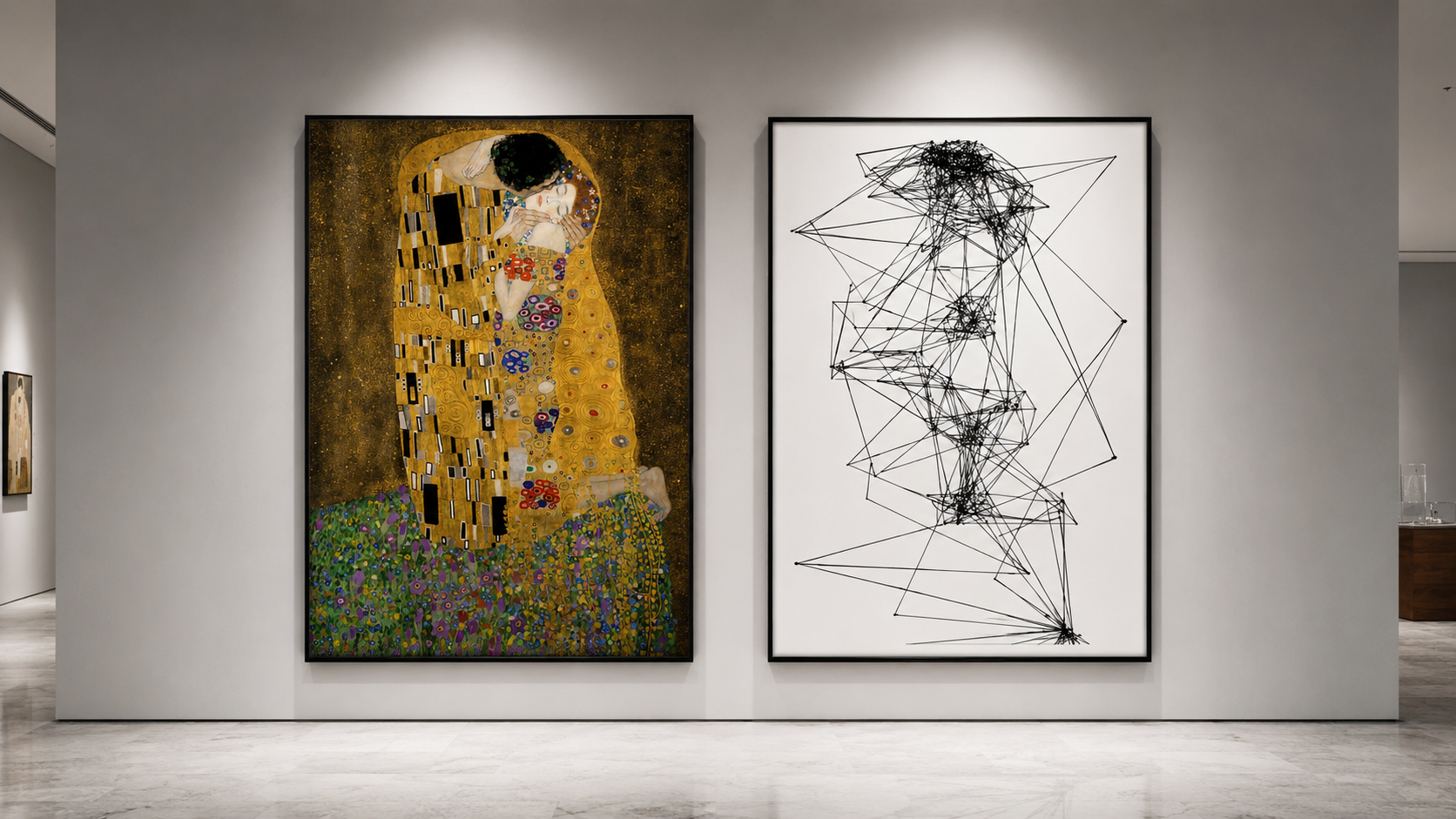
Communicating via smartphones is a disembodied, gazeless communication. Communities possess a bodily dimension. Lacking corporeality, digital communication weakens community. Likewise, the gaze stabilizes community, whereas digitalization causes the Other, as a gaze, to vanish. People in the digital age lack empathy, and the absence of the gaze is equally to blame. When a child's contacts are confined to a smartphone, their field of vision is already obstructed. It is precisely within the mother's gaze that the child gains support, self-confirmation, and community. The gaze constructs the most primal form of closeness. A deficient gaze leads to disorders in one's relationship with oneself and with others.
—Byung-Chul Han, *Non-things*
To an ancient person, even a tiny spark of a scientific problem would make them prickle with acute awareness of its impact on life.
In Spanish literary history, an anecdote goes that the master playwright Lope de Vega once mocked Cervantes's spectacles as looking like "bad fried eggs." This shows that people back then had a rather negative attitude toward glasses and remained skeptical of their effects—did they really make us see more clearly, or did they filter out authentic aspects of reality? Did they make our lives more convenient, or did they introduce distortions into our vision?
Charlotte Brontë, author of Jane Eyre, suffered from terrible eyesight; she once even wrote in a letter that she was going blind, yet she still chose not to wear spectacles—even in the nineteenth century, when spectacles were no longer cutting-edge technology—preferring instead to navigate life through visionary imagination. I find this somewhat reminiscent of the mindset of those who continue to reject smartphones today.
—Zhang Qiuzi, *Don Quixote's Spectacles*
Digital communication is a communication devoid of eye contact.
In an essay commemorating the tenth anniversary of Skype, an author wrote: "Video calls create an illusion of presence, undoubtedly making spatial separation between lovers easier to bear. Yet the ever-present distance is always felt—perhaps most palpably through a subtle misalignment. Because during a Skype call, the participants cannot look directly into each other's eyes. When you look at the other person's eyes on your screen, they perceive you as looking slightly downward, because the camera is mounted at the top edge of the screen. Direct eye contact is a profound beauty; it means that as you look at someone, you are simultaneously being looked at. This beauty has now given way to an asymmetry of gaze. Thanks to Skype, we can stay by each other's side 24/7, yet our gazes perpetually pass each other by."
The reason we are "forced into missed eye contact" is not merely the optics of cameras, but more profoundly the universal loss of the gaze and the absence of the Other. Digital media increasingly alienates us from the Other.
—Byung-Chul Han, *In the Swarm*
When I tell people I'm a remote CEO, they often say: "You must do a ton of video conferences." In reality, I hardly do video conferences at all. Screen sharing is great, and essential. But usually I find video very distracting. I often hold meetings with a large group of people just in case we need their input. But for most of the meeting, I don't need all of them paying rapt attention (I'm perfectly happy if they're doing other work). But if the cameras are on, seeing people not paying attention seems to instinctively ruin the atmosphere of almost any meeting.
—Stephen Wolfram, *Adventures of a Computational Explorer*
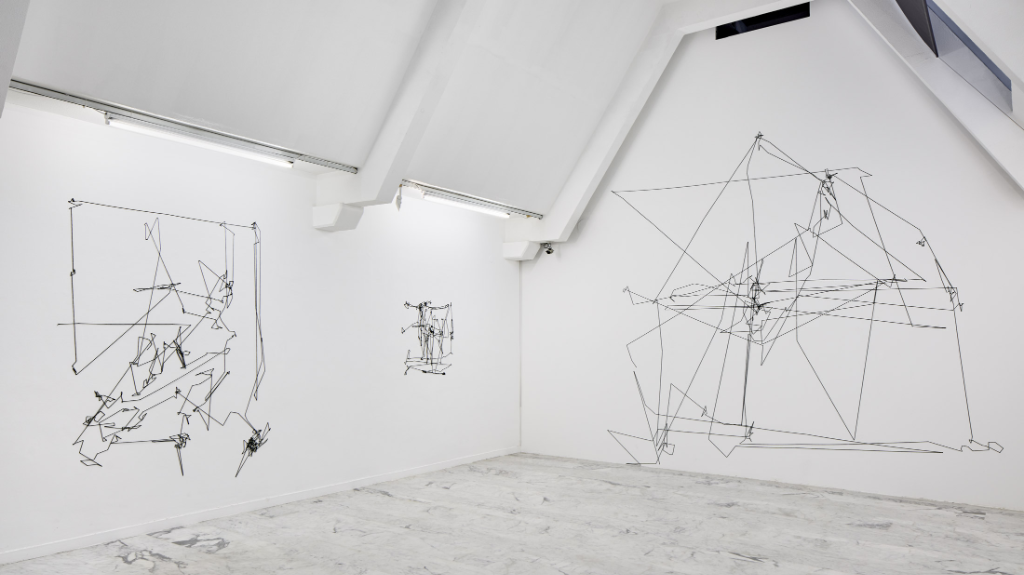
In Anthologie des regards (Anthology of Gazes), the artist recorded the gaze trajectories of invited visitors as they stared at existing artworks. He borrowed eye-tracking—a normative tool commonly used in marketing to decipher consumer visual attention. Yet this creation steers far clear of any utilitarian visual optimization, turning the geometric forms generated by these recordings into objects of contemplation themselves.
What the public is invited to view is a work that reenacts "the wandering trajectories of pupils over other paintings." The original paintings are no longer visible in the gallery; they survive on the walls solely as traces and phantom gazes (regards fantômes). Marcel Duchamp's famous aphorism—"It is the viewers who make the painting"—has never felt truer than in this moment.
—Julien Prévieux, *Anthologie des regards*
🎛️ Control Panel
🔄 TransLit (Continued)
As mentioned before, the most radical glossary handling method had a bug. After several real-world tests, I realized this wasn't a loophole that could be trivially patched with "fuzzy search."
I abandoned extracting glossaries prior to translating the current chunk, and instead inject the entire current glossary. To keep the glossary as lean as possible, I resorted to an unglamorous approach—triggering an asynchronous semantic audit by the LLM for every 50 accumulated new terms.
Thus, here is the glossary strategy adopted in the current version of TransLit:
- After translating a chunk, the AI summarizes the glossary directly according to prompt instructions.
- The program automatically searches subsequent chunks; if a term does not appear again, it is omitted from the glossary.
- Reaching 50 new terms triggers an asynchronous incremental LLM review to purge common-sense words.
⚡ BokeSnap

BokeSnap streamlines the previous Oogiri workflow down to just two stages:
Stage 1: Divergence
- Model: Gemini Pro (Latest multimodal version)
- Temperature: 1.05
- Task: Via internal chain-of-thought, ruthlessly extract objective facts first, formulate straight-man critique (Tsukkomi) and playing-dumb (Boke) strategies, and finally generate 10 candidates across three tracks: Most Relatable, Most Absurd, and Most Biting.
Stage 2: Convergence
- Model: Gemini Flash (Latest multimodal version)
- Temperature: 0.1
- Task: Perform 6-dimensional quantitative scoring and a one-strike AI-flavor audit on the 10 candidates, select the 3 track champions, and execute "masking the punchline tail" text trimming.

Perhaps due to using the newer model, even without much planning, features naturally felt far more complete than previous versions—though the copy on the frontend is still mildly embarrassing.
🎭 Modern Art Oogiri
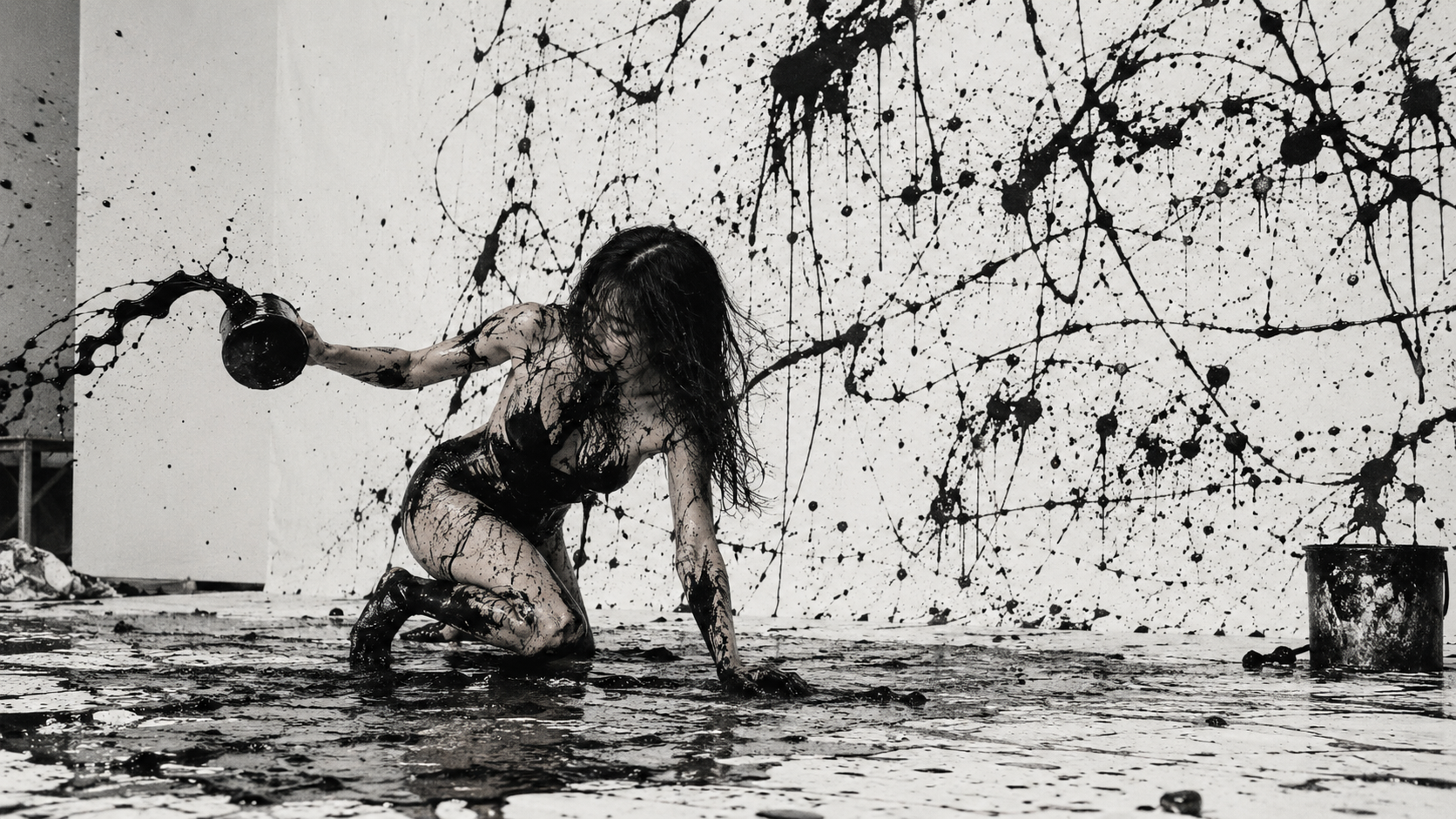
Gave better titles to some modern artworks:
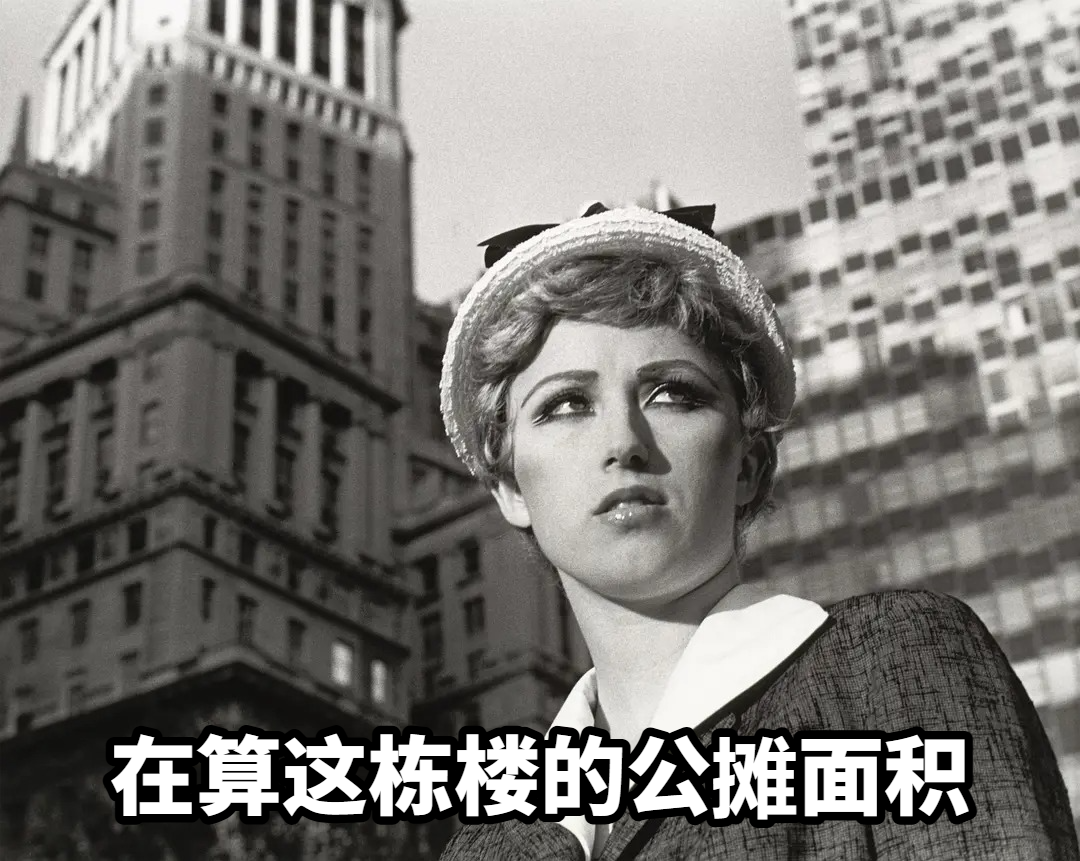
Calculating the Common Area Ratio of This Building, 2026
Found gelatin silver print, generative text, archival pigment print
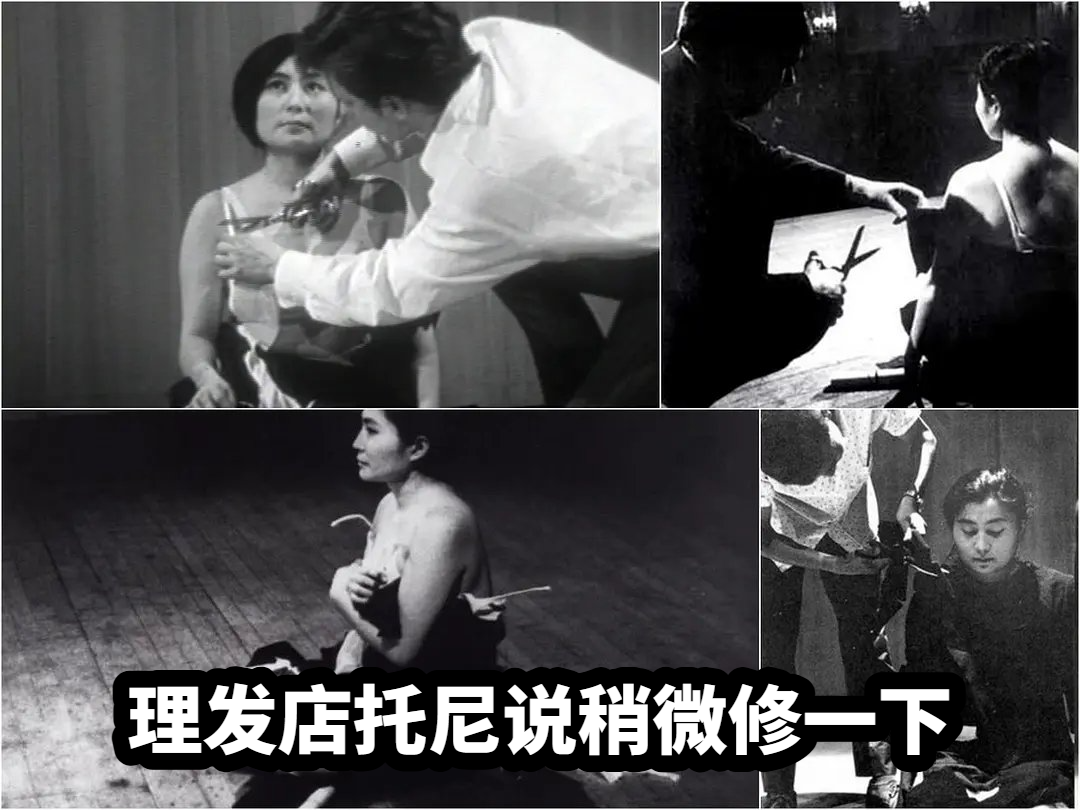
Barber Tony Said "Just a Trim", 2026
Found gelatin silver print, generative text, archival pigment print
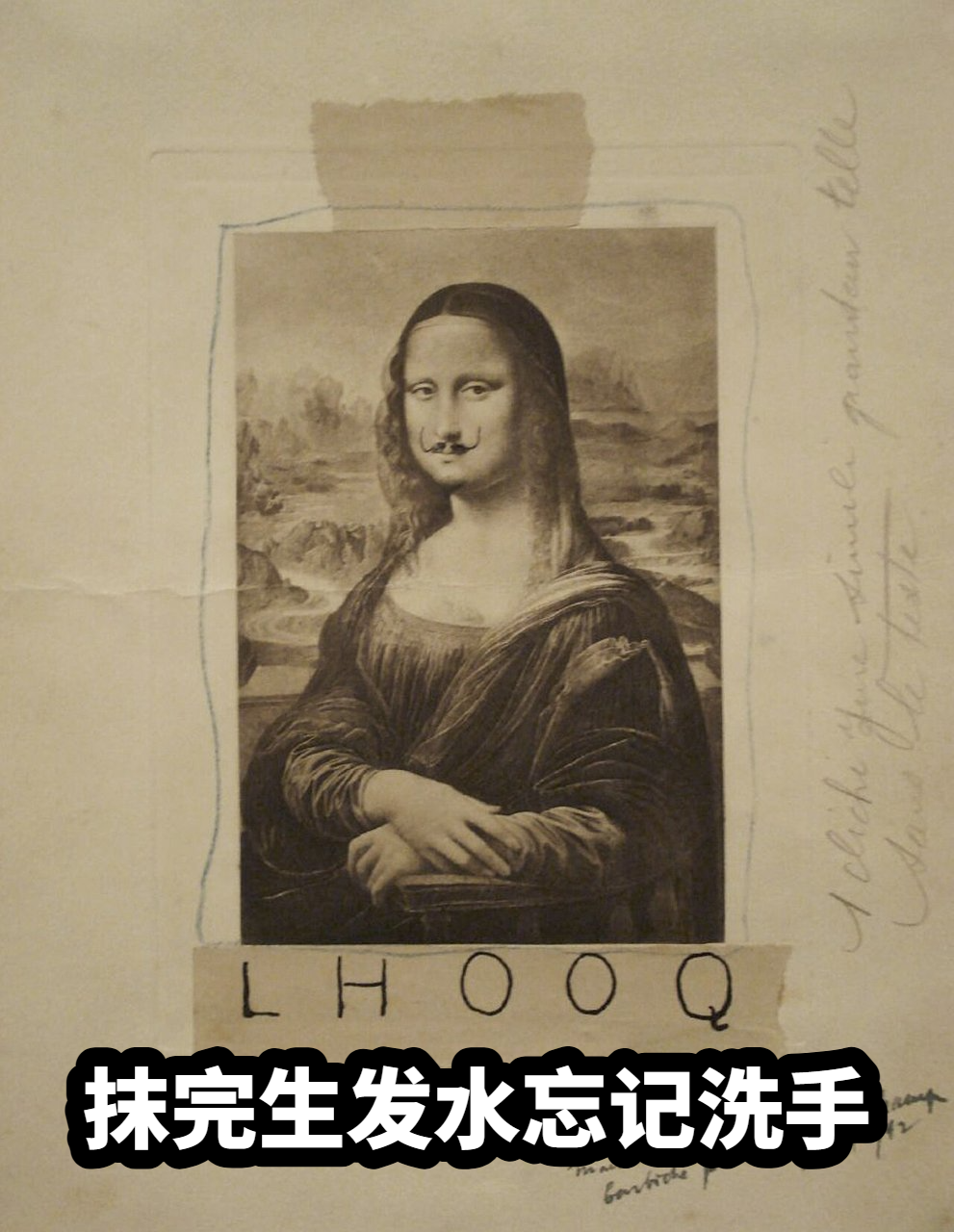
Forgot to Wash Hands After Applying Hair Growth Tonic, 2026
Found image, generative text, archival pigment print